Vol. 1 · No. 7 · August 19, 2026
THIS WEEK's FEATURE ARTICLE
For filmmaker Robin Hofmann, "Gluten is a Joke" began with a contradiction
SANFORD, FL — By STEVEN WASCHKA
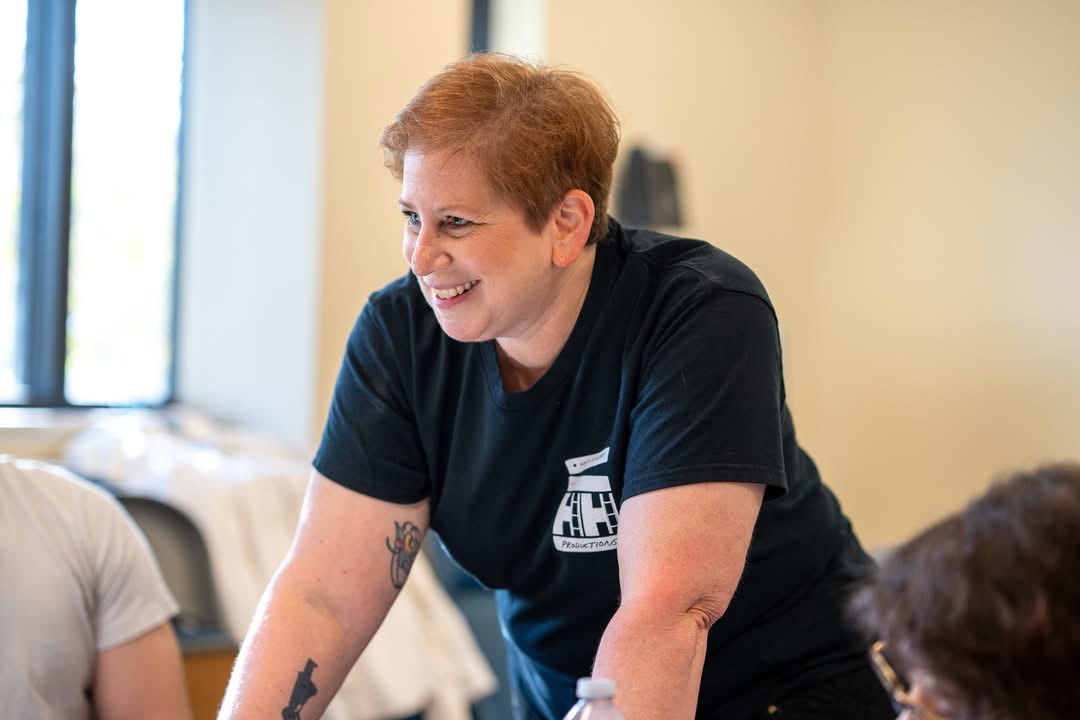
Covering a topic that can profoundly affect a person’s health had somehow become a punchline, Robin Hofmann's documentary arrives at the Ritz Theater with a mission that is remarkably straightforward: validate those who medically have to eat gluten-free and educate those who don’t. But Hofmann is not interested in delivering that message through a dry collection of statistics and talking heads. She has built a film that uses comedy, storytelling, reenactments and genuine human experiences to invite audiences into a community that she believes has too often been misunderstood.
“Now, Hofmann is turning that punchline on its head.”
Understanding gluten-related medical needs
Hofmann’s connection to the subject began nearly two decades ago, when gluten-free products were considerably harder to find and public understanding of gluten-related medical needs was far more limited. As gluten-free eating became more visible, however, Hofmann watched another phenomenon develop. The term became associated with diet trends, stereotypes and jokes. Over time, she says, those jokes helped create an impression that requesting gluten-free food was simply a matter of preference or being “high maintenance.” For people who medically require it, Hofmann says the consequences of that misunderstanding can be anything but funny. That realization became the foundation for Gluten is a Joke. Rather than asking audiences to stop laughing, Hofmann decided to explore whether humor itself could become part of the solution.
“You’re gonna say that gluten is a joke,” she explained during her Ritz interview. “Let me show you how we can joke about it without it being a detriment to our community.” It is an approach that says quite a bit about Hofmann as a filmmaker. She wants people to learn, but she also wants them to enjoy themselves. She wants people living with gluten-related medical needs to feel recognized, but she does not want the film to speak only to those already familiar with the subject. And she wants audiences to leave understanding that the issue extends far beyond what someone chooses to put on a dinner plate. The result mixes documentary interviews with comedic sketches and reenactments that Hofmann describes as having something of a Saturday Night Live-style energy. “I’m gonna educate you. I’m gonna make you laugh, might even make you cry a little bit,” she said. That balance between entertainment and advocacy may be one of the documentary’s most important qualities.
Hofmann has repeatedly discovered that almost everyone knows someone whose life is touched by gluten-free eating—a spouse, child, friend, coworker or family member. Yet knowing someone who lives gluten-free does not necessarily mean understanding the precautions, challenges and emotional experiences that can accompany it. And Hofmann believes the film has relevance beyond those households. Restaurant employees, chefs, healthcare professionals and others who interact with people requiring gluten-free food can all have an impact on their daily lives. For medical professionals in particular, Hofmann hopes the film offers something different from the clinical information they already understand: an opportunity to experience the personal and emotional side of life with conditions such as celiac disease.
That broader human perspective is central to her storytelling. The Ritz event itself will extend the documentary beyond the screen. Comedian James Yon is scheduled to host the evening, engaging with the audience before the screening. Following the film, Hofmann and several people involved with the documentary—including advocates and influencers featured in it—will participate in a live question-and-answer session. It creates an evening that is part film screening, part conversation and part comedy event. More importantly, it gives Central Florida audiences a chance to meet the people behind the stories. For Hofmann, education works best when people actually want to listen. Humor can open that door. Storytelling can make an unfamiliar experience personal. And a shared night at the theater can transform a topic someone might have scrolled past online into a conversation they remember. That may ultimately be what makes Gluten is a Joke such an unusual documentary. It does not argue that serious subjects cannot be funny. It asks us to think more carefully about who is in on the joke—and what happens when the people being laughed at are trying to tell us something important.